


Bamboo: Green Giant Rising
Environmental and Medicinal Value Helps Power Growing Global Bamboo Market
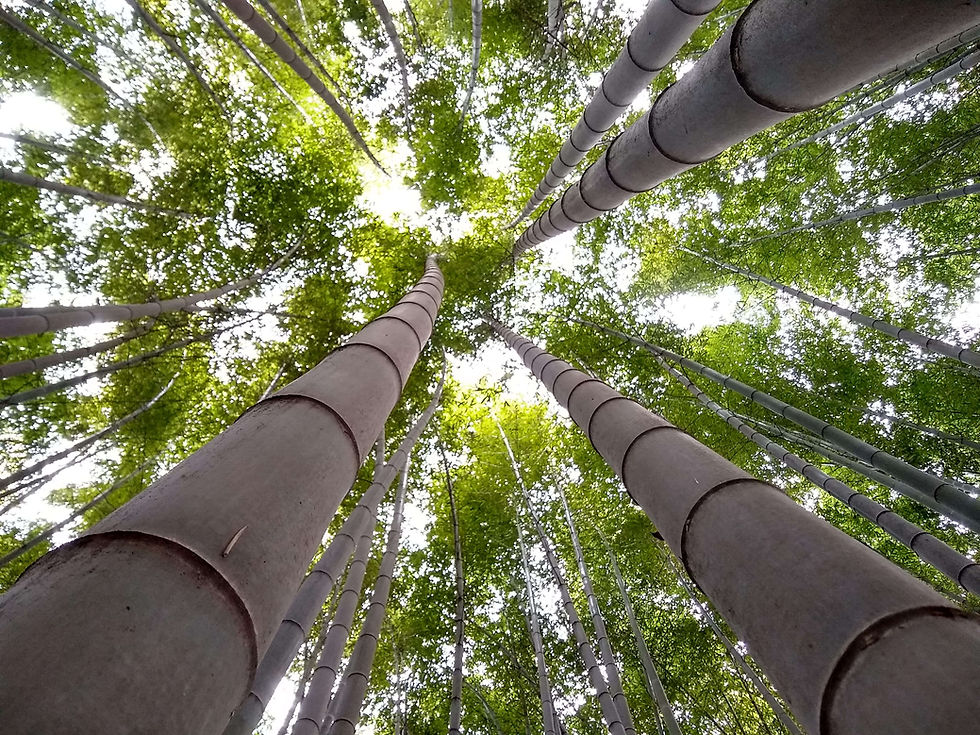
As the global bamboo market expands toward an estimated $106.5 billion by 2029, this fast-growing plant is emerging as a powerful ally in climate mitigation, sustainable materials, and traditional health uses.
Long valued in many cultures for food, construction, and crafts, bamboo is increasingly recognized for its environmental and medicinal significance. According to the Bamboo Global Market Report 2025, the bamboo market is expanding rapidly, driven not only by commercial demand but by rising environmental awareness and investment in more sustainable solutions.
This versatile plant offers ecosystem benefits that help protect soil and water resources and support biodiversity, while certain species and extracts have been used in traditional health practices for digestive support and nutrient provision.
Key environmental and medicinal data follow:
There are 127 genera and over 1,680 species of bamboo worldwide. The primary bamboo-producing nations are China, India, Thailand, Myanmar, Bangladesh, Cambodia, Vietnam, Japan, Indonesia, Malaysia, the Philippines, South Korea, and Sri Lanka.
China’s bamboo market is the world’s largest in market share, at 59.3% in 2024. This is helped by favorable climate conditions, inexpensive labor, 5% of China’s total forest area being bamboo, and the presence of over 800 species of bamboo in China.
The global bamboo market is projected to grow from $74.5 billion (2024) to $79.3 billion in 2025, with expectations to reach approximately $106.5 billion by 2029. Growth drivers include versatility in applications (textiles, flooring, packaging, energy) and government support for sustainable resource use.
A properly managed hectare of bamboo can sequester between 10 to 30 tons of CO2 annually, with a potential to reach 100 tons in optimal conditions. Other estimates suggest up to around 12 tons of carbon per hectare per year in optimal conditions. Compare that with a range of 3–5 tons of CO2 for a young, growing temperate or tropical forest.
According to IKEA, bamboo’s rapid renewability—some species can grow nearly 1 meter a day—enables frequent harvesting without forest depletion. It can mature for harvest in 3–5 years and capture significant amounts of carbon immediately after planting. Timber, on the other hand, requires 10–30+ years to reach peak sequestration.
Though the world’s forested areas are decreasing dramatically, bamboo forests are growing at a rate of 3% per year.
The global market for bamboo shoots is expected to grow from $2.8 billion in 2025 to about $4.2 billion by 2035.
According to Food Struct, bamboo shoots (all values are per 100 g raw unless otherwise noted) contain about 27 calories, 2.6 g of protein (about 5–6% daily value), and about 2.2 g (about 8% daily value) of fiber. They are also rich in vitamins (B1, B6) and minerals (copper, manganese) as well as antioxidants.
Bamboo is not a replacement for forests—but it is a carbon ally. For long-term carbon reservoirs, intact and well-managed forests remain essential.


Ragdoll Drop includes a large number of stages with different designs and obstacles. Completing difficult levels gives me a strong sense of achievement.