


Transporting Food Boosts CO2 Emissions
Updated: Mar 11, 2023
New research finds that moving food from farms to consumers generates higher-than-expected CO2 carbon emissions.

Nature reported in July 2022 that about one-fifth of all carbon emissions linked to the food system came from transportation—“a much bigger slice of the emissions pie than previously thought.”
The study from the University of Sydney in Australia collected data from 74 countries and regions. It found that food transportation in 2017 added equivalent CO2 emissions of about 3.0 gigatons. That is 7.5 times previous estimates.
Developed nations, which have about 12% of the global population, generated nearly half of international food-transport emissions.
Low-income countries, which have about half of the global population, generated about 20% of international food-transport emissions.
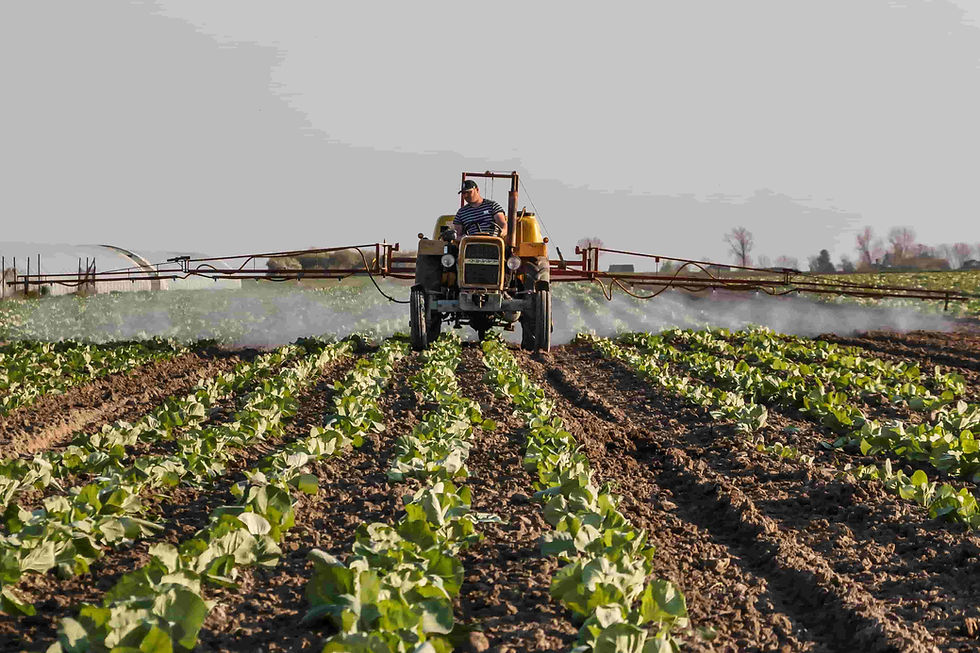
Transporting fruit and vegetables generated double the amount of CO2 produced by growing them.


Transporting food over long distances made me notice something I had mostly ignored before: every delivery has a route, a vehicle, several scans, and multiple handoffs behind the final doorstep photo. That became real when a time-sensitive household package traveled through more stops than I expected and the tracking stopped making sense near the end. I separated the environmental question from the practical delivery problem and focused on the shipment number, scan history, address, timing, and proof of delivery. When a parcel is delayed, marked delivered incorrectly, or linked to the wrong address, I open https://uniuni.pissedconsumer.com/customer-service.html using the tracking details for that single shipment. That keeps support focused on what can actually be verified. It also reminds me how much transportation…