


US Cancer Trends, Projections for 2026

The latest report from the American Cancer Society, published in CA: A Cancer Journal for Clinicians, reveals a complex picture—declining mortality alongside rising incidence for several major cancers. Meanwhile, other recent studies and reports show the continuing influence of environmental pollutants on cancer rates.
Highlights
Cancer is the second-largest cause of death in the US, according to the Centers for Disease Control and Prevention.
New cancer cases are projected to be 2,114,850 in 2026. That’s roughly 5,800 new diagnoses per day, underscoring cancer’s continued challenge to public health.
Cancer deaths, on the other hand, are expected to be 626,140 in 2026, or about 1,700 deaths per day nationwide.
Cancer mortality has fallen 34% since 1991. This long-term decline has averted approximately 4.8 million deaths, largely due to reduced smoking, earlier detection, and improved treatments.
The five-year survival rate has reached a historic high of around 70%. In other words, about 7 in 10 patients survive at least five years after diagnosis.
Increasing rates are reported for some cancers, including breast, prostate, pancreas, melanoma, liver (in women), and endometrial cancers, signaling ongoing risk factors and detection trends.
Lung cancer remains the leading cause of cancer death. It is expected to cause more deaths than colorectal and pancreatic cancers combined.
About 1 in 3 men (39.2%) and 1 in 3 women (38.7%) will develop invasive cancer in their lifetime.
Approximately 60% of diagnoses occur in people aged 65 or older, though 12% occur under age 50, highlighting concerns about younger populations.
The 15th Report on Carcinogens mandated by the US Congress identifies 63 substances known to be human carcinogens and 193 “reasonably anticipated to be human carcinogens — including some classes of related chemicals or substances.”
Eight new carcinogens were added to the report—a chronic bacterial infection, a flame retardant, and six byproducts of water disinfection.
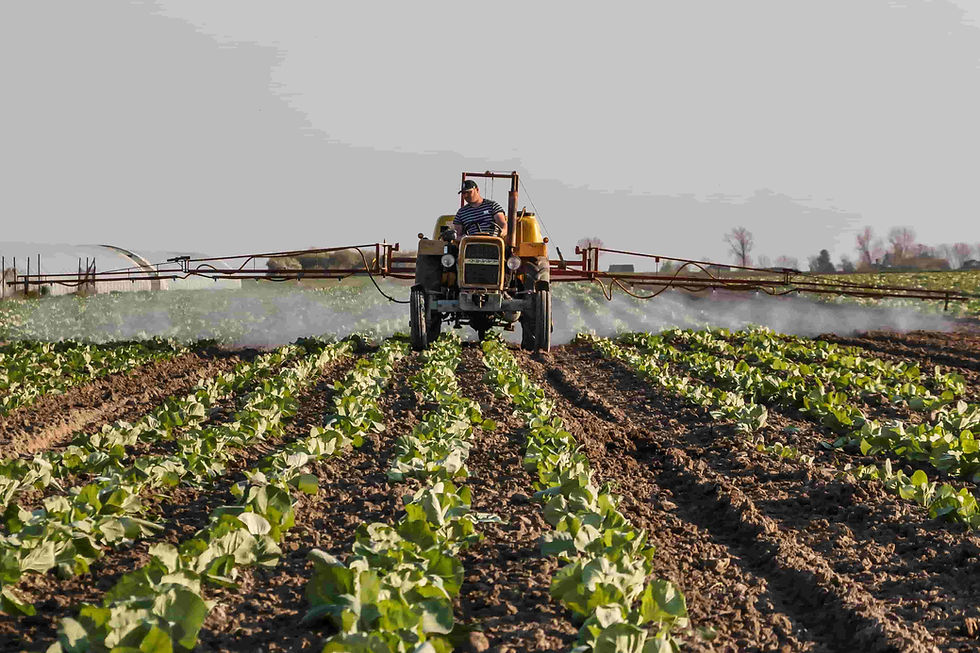
Carcinogens can be hard to avoid, as they are present in air, water, and food. A recent study by the Institut Pasteur reported, for instance, that “living in pesticide-heavy environments could raise cancer risk by up to 150%.”
A report by the Union for International Cancer Control and supported by the Clean Air Fund found that people regularly exposed to high levels of airborne particulate matter, when compared to those with lower levels of exposure, face an 11% increase in the risk of developing cancer. This includes higher increases for liver and colorectal, kidney, lung, and bladder cancers.
Approximately 87% of lung cancers in men and 84% in women can be attributed to cigarette smoking. Although smoking prevalence dropped from 42% in 1964 to 11% in 2023, it remains the leading cause of preventable death in the United States.

Takeaway
The 2026 projections show progress in survival and mortality reduction alongside persistent—and in some cases rising—cancer incidence. Advances in prevention, screening, and treatment are saving lives, but the growing number of diagnoses highlights the need for continued investment in research, early detection, and lifestyle-related prevention strategies.


I wasn't expecting such a simple idea to be so entertaining. eggy car is the kind of game that's perfect for a few spare minutes.