


Historic Microbe-Conservation Plan Aims to Protect the ‘Invisible 99%’
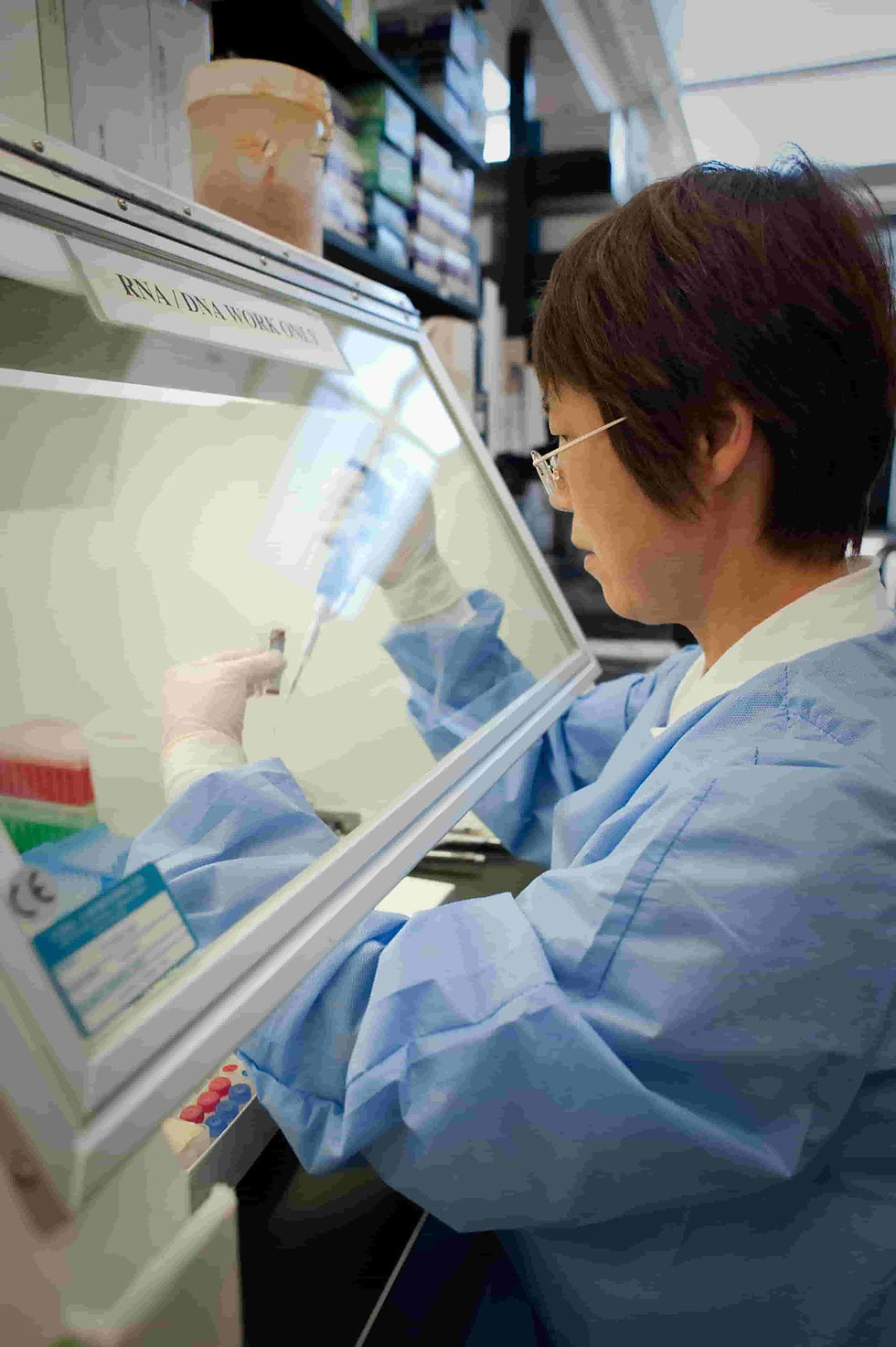
For decades, global conservation efforts have focused almost exclusively on visible wildlife—from majestic mammals to endangered plants. Yet microscopic organisms, often termed the “invisible 99%” of life, drive the essential biological and chemical processes that keep Earth functioning.
In response to growing threats from climate change, human disruption of terrestrial ecosystems, and pollution, the International Union for Conservation of Nature (IUCN) has formally established the Microbial Conservation Specialist Group (MCSG) within its Species Survival Commission.
Cochaired by Prof. Jack Gilbert and Prof. Raquel Peixoto, this first-of-its-kind coalition marks a fundamental shift toward holistic planetary health. Rather than treating microbes as inconsequential or harmful, the MCSG elevates bacteria, fungi, archaea (a bacteria-like group of organisms), and microscopic algae to the same conservation priority as macroscopic plants and animals. Microorganisms form the foundational networks that regulate carbon sequestration, soil fertility, marine productivity, and animal and plant host health across all ecosystems.
“This is the first global coalition dedicated to safeguarding microbial biodiversity, which is the ‘invisible 99% of life,’ to ensure that microbes are recognized as essential to the planet’s ecological, climate, and health systems,” Gilbert said in a news release announcing the coalition.
“I think this reframes conservation from saving individual species to preserving the networks of invisible life that make visible life possible—a paradigm shift toward planetary health. It also gives us a really good look into the microbial tools that can support conservation action so that we may use microbiology to solve the world’s biggest problems,” he said.
Action Plan for Protection
To bring microbial diversity into mainstream environmental planning, the MCSG has outlined an ambitious action plan structured around five key pillars: assessment, planning, action, networking, and policy communication.
Among its primary milestones, the coalition aims to establish a standardized Microbial Red List framework by 2027 to evaluate vulnerable microbial communities and ecosystems. The plan also includes publishing global maps of microbial hot spots across terrestrial, aquatic, and host-associated environments.
The initiative also advocates for practical microbial solutions to bolster climate resilience and ecosystem recovery. Proposed interventions include deploying coral-reef probiotics to prevent bleaching, utilizing specialized soil microbiomes to enhance carbon storage, and leveraging bioremediation to clean contaminated environments.
Initial mapping and biobanking archival efforts are supported by funding from the Gordon & Betty Moore Foundation alongside institutional contributions from Applied Microbiology International and the International Society for Microbial Ecology.
Beyond scientific metrics, the MCSG emphasizes the necessity of policy integration and public engagement. The group has set a 2030 goal to have microbial indicators incorporated into national biodiversity strategies, UN conservation targets, and global frameworks. This includes the “30 by 30” government initiative to designate 30% of Earth’s land and ocean area as protected areas by 2030 to curtail biodiversity loss and mitigate climate change.
Through public awareness campaigns with slogans such as “Invisible but Indispensable” and “Tiny but Mighty,” the coalition seeks to reshape how society perceives microbes, moving from a mindset of eradication to one of stewardship and preservation. By safeguarding the microscopic engine of the biosphere, the IUCN is trying to establish a crucial baseline for the future of global life support systems.


For those who prefer a mystery that unfolds little by little, scary games can make the act of paying attention just as important as knowing how to survive.
요즘 Nano Banana로 AI 이미지 생성을 해보고 있어요. 텍스트로 설명만 하면 이미지를 만들어주는데 Gemini 기반이라 품질이 괜찮아요. 실사부터 애니메이션까지 다양한 스타일을 지원하고, 로컬 설정 없이 바로 쓸 수 있어서 편해요.
He estado probando Nano Banana para generar imágenes con IA. Solo describes lo que quieres en texto y genera la imagen. Basado en Gemini así que la calidad es decente. Maneja varios estilos desde realista hasta anime.