


Earth’s Colossal Fungal Superhighway
Global Maps Reveal the Vast Underground Networks Supporting Life and Storing Carbon

Beneath forests, grasslands, farms, and even city landscapes lies a largely invisible, living infrastructure that helps sustain life on Earth. A new global mapping effort has revealed the astonishing scale of arbuscular mycorrhizal (AM) fungi—underground networks that connect with plant roots, transport nutrients and water, and help move carbon into soils.
Researchers say these fungal networks represent one of the planet’s most important—yet least understood—ecosystems.
The study, published in Science, provides the first global estimates of the density, length, and biomass of these underground fungal networks. The findings highlight both their immense ecological value and the potential risks posed by agricultural expansion and habitat loss.
Key Data Points
An estimated 110 quadrillion kilometers (68 quadrillion miles) of AM fungal networks exist in the world’s topsoils, making them one of the largest biological structures on Earth.
The networks stretch a distance nearly 1 billion times greater than the distance between Earth and the Sun.
AM fungi form partnerships with approximately 70% of all plant species worldwide, exchanging nutrients and water for carbon from plants.
These fungal networks transfer an estimated 4 billion metric tons of CO₂-equivalent carbon into soils every year, equal to about 11% of annual human-related carbon dioxide emissions.
Researchers estimate the global AM fungal network contains about 300 megatons of carbon or roughly four to six times the mass of all living humans.
Grasslands contain about 40% of Earth’s AM fungal infrastructure, making them one of the most important habitats for underground fungal networks.
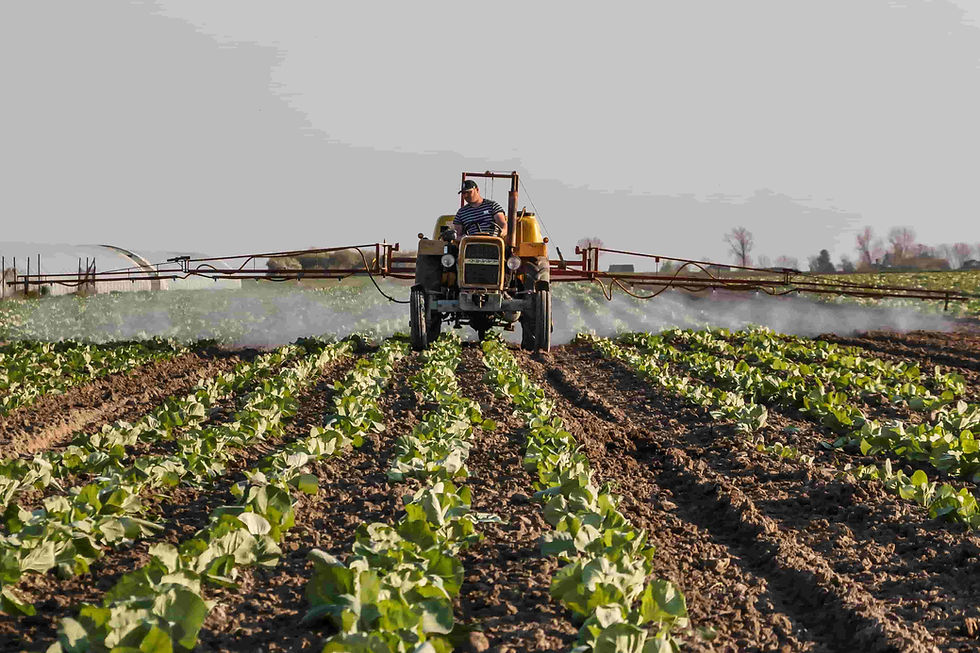
Agricultural croplands are predicted to have approximately 50% lower fungal network densities than wild ecosystems.
In healthy soils, fungal networks can increase the effective foraging area of plant roots by up to 100 times, helping plants access otherwise unreachable resources.
Mycorrhizal fungi can supply more than 80% of a plant’s phosphorus needs, reducing reliance on soil nutrients immediately surrounding roots.
Scientists analyzed more than 16,000 soil cores collected around the world to build the new global maps.
The research team also examined more than 300,000 living fungal hyphae using robotic imaging technology to estimate global network length and biomass.
Researchers estimate there can be as much as 10 meters (32 feet) of fungal network within a single teaspoon of soil.
Grasslands are being converted to agricultural land at a rate approximately four times faster than forests, threatening some of the planet’s most important fungal ecosystems.
Previous research cited in the study found that 95% of AM fungal biodiversity hotspots lie outside protected areas.
The new fungal infrastructure maps provide estimates for every square kilometer of terrestrial land where sufficient data were available.
Why It Matters
Often overlooked in climate and conservation discussions, mycorrhizal fungi act as a planetary circulatory system, moving carbon, nutrients, and water through ecosystems while supporting the majority of the world’s plant species. The new maps suggest that protecting grasslands and other natural ecosystems may be critical not only for biodiversity but also for maintaining one of Earth’s largest natural carbon-storage networks.


Siempre es interesante conocer los resultados de la lotería de hoy y revisar los números publicados después de cada sorteo. Tener la información organizada y actualizada permite consultar los resultados fácilmente. Además, una fuente clara puede ahorrar tiempo a quienes buscan verificar sus números de manera rápida y sencilla.