


Pesticide Toxicity Is Increasing
Updated: Sep 2
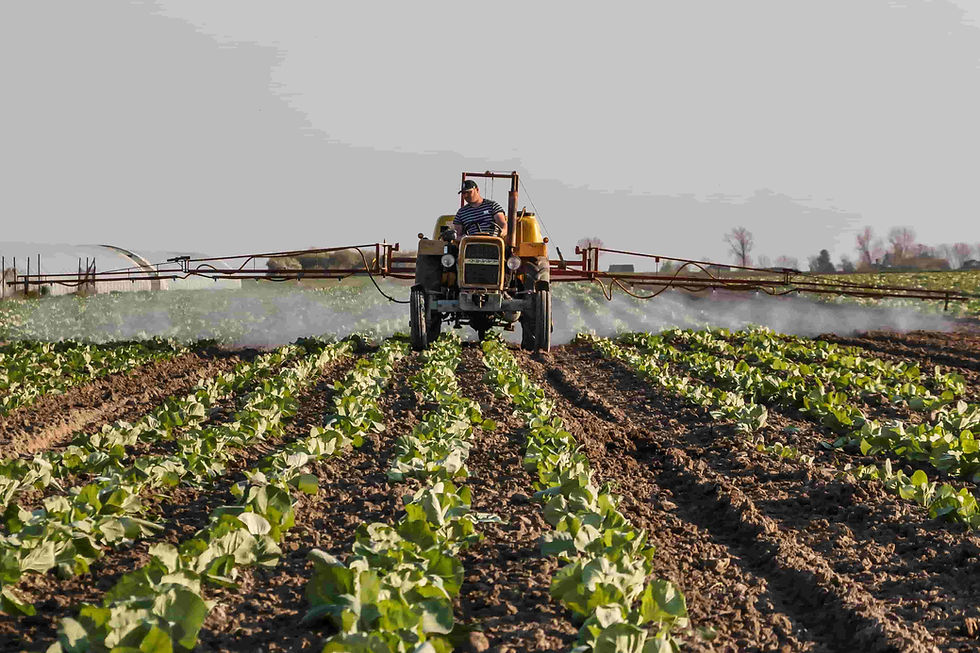
New research suggests that the danger of pesticide use extends beyond the sheer volume of chemicals being applied. A 2026 study published in Science found that the overall ecological toxicity of pesticides has risen significantly worldwide because many of today's pesticides are more harmful to nontarget species than those they replace.
The findings also coincide with growing concerns about children's health and expanding global pesticide markets. Recent reports from UNICEF and other researchers warn that children are especially vulnerable to pesticide exposure. Meanwhile, the use of pesticides is projected to intensify.
Key Data
More than 600 pesticides were analyzed across 65 countries, representing approximately 79.4% of the world's cropland, making the study one of the most comprehensive global assessments of pesticide toxicity to date.
Researchers found that total applied toxicity (TAT) increased for six of eight major groups of organisms studied between 2013 and 2019, indicating that ecological risks are increasing despite international biodiversity goals.
Toxicity affecting terrestrial insects increased by approximately 42.9%, the largest increase observed among all species groups.
Toxicity toward soil organisms increased by 30.8%, raising concerns about soil fertility and ecosystem functioning.
Just 20 pesticide active ingredients account for more than 90% of the global toxic impacts on insects, worms, and many other forms of wildlife, suggesting that reducing use of a relatively small group of chemicals could substantially lower ecological risks.
China, Brazil, the United States, and India together account for 53%–68% of global applied pesticide toxicity, making them critical to worldwide risk-reduction efforts.
Five crop groups—fruits and vegetables, corn, soybeans, cereals, and rice—generate 76%–83% of global pesticide toxicity because of the intensity and types of pesticides used in their production.
Among the countries evaluated, only one—Chile—is currently on track to meet the United Nations' target of reducing pesticide risk by 50% by 2030.
Global pesticide use has roughly doubled between 1990 and 2022, according to UNICEF.
UNICEF identifies children under age five, pregnant women, and agricultural communities as among the populations at greatest risk. Children are listed because their developing brains and bodies are especially sensitive to pesticide exposure.
A 2026 review in One Health Advances concludes that pesticide exposure continues to be associated with adverse effects on human health, biodiversity, soil organisms, pollinators, aquatic ecosystems, and food security, reinforcing calls for more sustainable pest management strategies.


Pico Image를 한동안 쓰고 있는데 이미지 리사이징이랑 압축할 때 편해요. 브라우저에서 다 돼서 서버에 업로드 안 되는 게 좋아요. 배경 제거도 꽤 잘 되고, 간단한 작업은 무거운 소프트웨어 안 켜도 돼요.
He estado usando Pico Image para redimensionar y comprimir imágenes. Todo funciona en el navegador así que no se sube nada a ningún servidor. La eliminación de fondo también funciona bastante bien.
Buen artículo para quienes quieren entender mejor este tipo de aplicaciones. En el caso de magistv apk, me parece especialmente importante que los usuarios sepan de dónde obtienen los archivos y revisen la información disponible antes de instalar algo en su teléfono.