


Culinary Medicine: Welcoming a Powerful Healer into the Kitchen
How Home Cooks Can Heal Themselves and the Earth with Nutritious, Tasty Cuisine
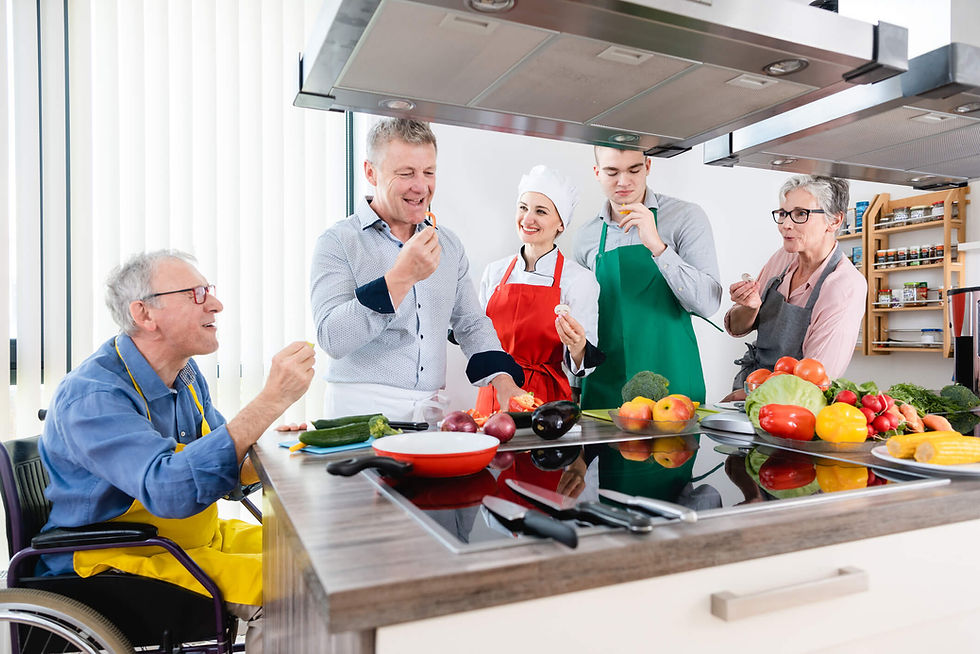
One of the world’s most powerful (and overlooked) healthcare settings is the home kitchen. But there’s no need to bring in a professional chef, subscription meal plan, or expensive appliances to transform a kitchen into a space where healthy mealtimes happen. A little knowledge of culinary medicine can turn ordinary cooking practices into effective disease prevention, adjuncts to medical treatments, and keys to any healing or wellness journey.
Culinary medicine is an emerging field that blends nutrition science, preventive medicine, and culinary skills. It can benefit anyone looking to improve their health by eating better, but it can also be used to prevent or manage conditions, such as diabetes and cardiovascular disease.
Unlike traditional nutrition education, culinary medicine covers skills like food shopping, meal planning, cooking, and food storage. The results are positive, science-backed health outcomes and a reduced environmental footprint.
Food is Medicine
Historically, physicians knew that food provided health and healing and came from local sources. But that wisdom was lost somewhere between fast-food restaurants and highly processed shelf-stable groceries. Farmers’ markets weren’t always a luxury found in particular neighborhoods; they were places to purchase or trade for food that you did not grow.

Fast-forward to today, and one might assume that family physicians and medical providers are knowledgeable about nutritional needs. However, according to a 2014 article in the American Journal of Medicine, healthcare professionals (excluding registered dietitians) spent only 1% of their medical school lecture hours learning about nutrition.
According to a 2014 article in the American Journal of Medicine, healthcare professionals (excluding registered dietitians) spent only 1% of their medical school lecture hours learning about nutrition.
That situation is rapidly improving, thanks to medical doctors and professional chefs like John La Puma, MD. They have been ahead of the curve, creating a wave of interest in culinary medicine that has sprouted college courses and degrees, cooking clinics, and awareness that food can and should be part of the body’s defense against illness and disease.
La Puma is a professionally trained chef and regenerative organic farmer. In 2003, he partnered with Michael Roizen, MD, to teach the first culinary medicine course in a medical school. As founder of Chef Clinic, La Puma helped establish culinary medicine as a clinical and educational movement, demonstrating how cooking skills can serve as therapeutic tools in chronic disease prevention and lifestyle medicine. This idea quickly caught on and, today, similar classes are taught in 80% of US medical schools.
Organizations, such as the American College of Culinary Medicine and the Teaching Kitchen Collaborative, continue to advance research, certification, implementation, and instruction frameworks in culinary medicine for clinicians, chefs, and communities. Culinary medicine education is also ongoing at several American universities, including Tulane University, Yale, the University of Chicago, Ohio State, Penn State, the University of Kentucky, and more.
Another forerunner in the field is Michael Fenster, MD, known as Chef Dr. Mike. Fenster is an interventional cardiologist and professional chef who shifted toward combining medicine and culinary arts after realizing that his cardiology patients were being fed hospital food that went against everything he would recommend to someone with heart disease. He now holds cross-faculty appointments at the University of Montana College of Health and the Missoula College Culinary Arts Program and, with help from “professionals from around the world and the University of Montana,” developed the Culinary Medicine Program.
Fenster believes that assembling and eating food should be joyful, delicious, and healthy. “Our relationship to the ingredients we gather for the meal is a powerful connecting point for ourselves with family and friends, the larger community, our environment, and the planet,” he explains. He adds that the new ways culinary medicine looks at food are actually the old ways. After all, it was Greek physician Hippocrates (460 BC to 370 BC) who said: “Let food be thy medicine and medicine be thy food.”
Your Kitchen Clinic
The USDA Economic Research Service shows that, as of 2023, Americans spend about 55% of their food budget on restaurants and takeout. In addition, frozen meals are becoming a main dish for many due to rising grocery costs and convenience. However, these food choices have health implications. By making small changes, every meal can provide preventive healthcare.
The USDA Economic Research Service shows that, as of 2023, Americans spend about 55% of their food budget on restaurants and takeout.

La Puma emphasizes that the first step to implementing culinary medicine at home is to cook more meals in your own kitchen, pointing out that “Home cooking allows you to have complete control over what goes into your body.” From choosing ingredients, to preparing and cooking for nutrient preservation, one can manage any food sensitivities, portion sizes, and flavor preferences. Regularly preparing and eating healthy meals improves cooking skills, saves money, and improves health.
Because people are busy and often say they don’t have time to cook, La Puma recommends setting one to two days aside each week to cook and then prepare large enough quantities to have leftovers. Cooking days are also the time to wash and package raw veggies for quick snacks (a great job for kids). Veggies such as bell peppers, broccoli, cauliflower, carrots, celery, cucumbers, grape tomatoes, radishes, and sugar snap peas are easy to wash, slice (if needed), and store.
For those who feel a bit lost when it comes to cooking, do not despair. Chef Dr. Mike offers free cooking tutorials and recipes. The USDA has a healthy recipe collection for all ages, food preparation videos, and tips on shopping, cooking, and meal planning. The American Diabetes Association has free live virtual cooking classes with others available on-demand. Homemade Cooking provides cooking shows led by chefs and a library of recipes. In addition, there is an abundance of free apps that cover similar topics.
The research continues to support the idea that culinary medicine programs enhance metabolic health, food literacy, and chronic disease prevention. If the idea that hands-on cooking in your kitchen can prevent disease isn’t enough to motivate you, consider that simple shifts in food preparation strategies have also been shown to increase survivorship in those who already have chronic illness.
Environmental Health
A 2019 EAT-Lancet summary report indicated that to meet our global sustainable and healthy eating goals by 2050, we need to “double our fruit, vegetable, nut and legume intake and reduce our meat and sugar consumption by 50%.” Culinary medicine’s alignment with these recommendations places it at the intersection of health and environmental sustainability.
Dietary shifts toward plant-forward, minimally processed foods are associated with lower greenhouse-gas emissions, reduced land use, and improved ecosystem outcomes, according to research summarized by the Tulane School of Public Health.
Dietary shifts toward plant-forward, minimally processed foods are associated with lower greenhouse-gas emissions, reduced land use, and improved ecosystem outcomes.
Other small changes cooks can make to support health and create a sustainable food future include buying food locally and in season.
A Healthier, Holistic Future
Culinary medicine is gaining momentum as healthcare systems look for more holistic approaches, prioritize patient empowerment, and focus on prevention. When nutrition is fully integrated into medical education and practice, we may receive prescriptions for blueberries and broccoli—and have them covered by insurance.
As kitchens in schools, hospitals, corporations, and homes embrace the principles of culinary medicine, human health can evolve in ways that honor the body’s innate capacity to heal when given the right tools—beginning with what’s for dinner.
*Julie Peterson writes science‑informed articles for healthier people and a healthier planet.


Việc kiểm tra kết quả của những ngày trước sẽ thuận tiện hơn nếu mỗi kỳ có thông tin riêng. Người đọc có thể lựa chọn đúng ngày thay vì xem toàn bộ dữ liệu. Với xổ số miền bắc, cách trình bày này giúp việc tìm kiếm và so sánh các kỳ trở nên đơn giản hơn.
This article makes me see my kitchen differently—it's truly a place for health. Sometimes the instructions for healthy eating feel like another language. That's why I play with the w.d gaster translator to turn confusing symbols into simple text, a fun reminder that understanding can come from anywhere.
Love this! It shows how a simple kitchen can become a healing space. Speaking of simple tools, I've been using AI Signature Background Remover to clean up scanned handwritten recipe notes. It makes them look perfect for sharing or signing digital documents. Very handy!
Love this idea of the kitchen as a healing space! It reminds me that using the right tools is key in any field. For example, in ad tech, checking your video tags with a VAST validator can save lots of trouble. Great read!
One reason hot games can feel complex is the balance between accessibility and challenge. Players should be able to understand the basic rules within seconds, yet mastering the game can require much more practice. A simple puzzle may demand careful observation, while an action game can test reaction speed and decision-making at the same time.