


Avocados Embroiled in Sustainability Debates
Updated: Dec 22, 2025
Mexico’s Plantations Suck Up Groundwater, Invite Deforestation and Pest Invasions
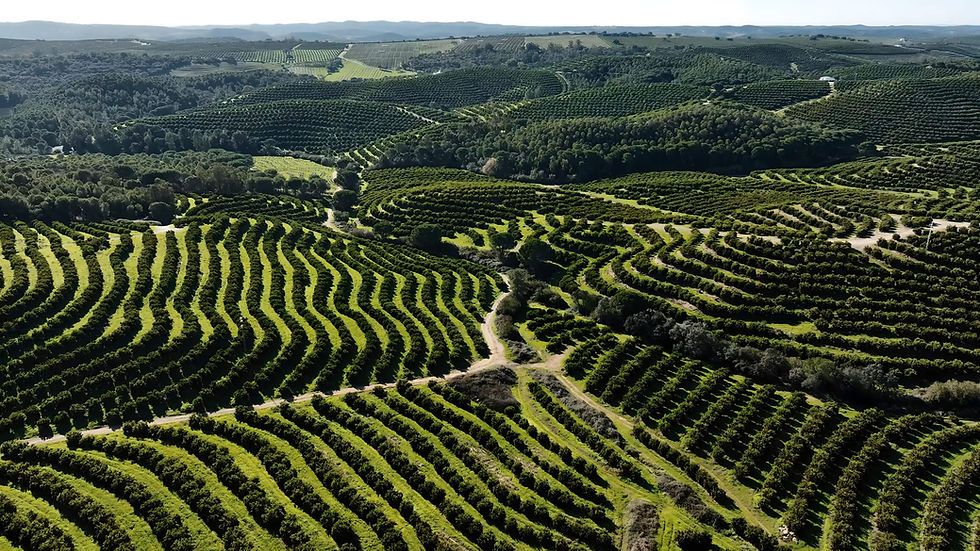
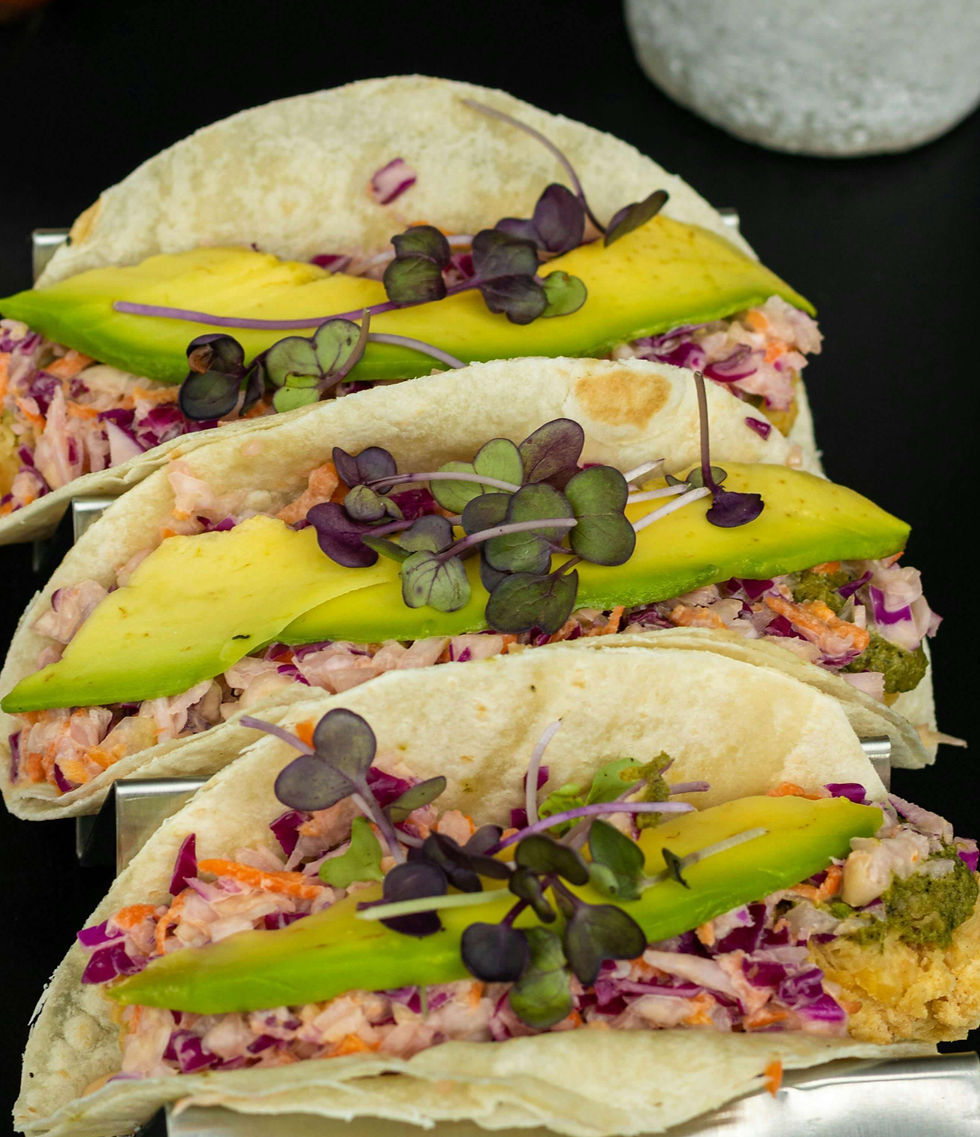
Avocados have become a staple in many US and global households over the past 30 years. It’s on toast, in sushi, and warming up in a pan as oil. The Mexican fruit has seen a rapid increase in demand, mainly from North American countries, because it’s considered a delicious and nutrient-dense food source.
But avocados have also become the center of a debate over how they are grown. As a commercially successful product, there are struggles over who will control the land and produce. Also, there are criticisms about the impact avocados have on local ecosystems.
“Avocados are a really good illustration of really rapid expansion of an agricultural system based on a global market that had a boom—still arguably in the boom period—where demand skyrocketed really quickly, so supply skyrocketed really quickly,” Dr. Audrey Denvir explained to The Earth & I.
“It’s very evident what that has done to the landscapes where it is produced,” said Denvir, an environmental researcher who did her PhD work on the environmental impacts of the growing avocado industry in Mexico.
The ‘Green Gold’ Boom
The “green gold” avocado boom mainly started in the US in 1997 after President Clinton removed a ban on imported avocados from Mexico that had been long been protecting US avocado growers from international competition.
This change in US policy, paired with a huge advertising push from Mexico, has resulted in Mexican avocados accounting for around 90% of the US market, which has increased threefold in the last two decades. In fact, the industry grew by 4% just this year compared with last year and is on track to exceed 3 billion pounds in volume for the US market alone.
Avocado enthusiasm is now spreading around the globe, and plantations are popping up all over South America and in parts of Europe, the Middle East, and Africa to increase regional supply.
But what does this dramatic industry expansion mean for the local ecosystems? Concerns include excessive water use, loss of acres of local trees, and the use of “monocropping,” a system that invites pests and soil degradation.
The Downside of Monoculture
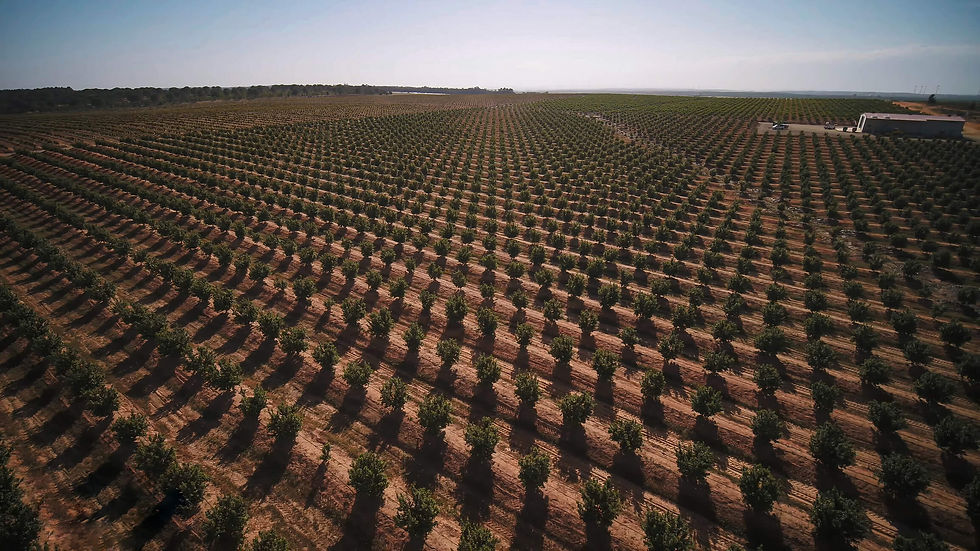
The global industrialized agriculture industry—including the avocado industry—relies heavily on monoculture, which means just one plant type is grown on a plot of land. Monocropping is widely used for many crops because of its efficiencies, high crop yield and ease of management.
However, recent research has shown how monocropping can be detrimental to local biodiversity, soil health, and water usage. It is also known to increase dependency on fossil fuel-based pesticides and fertilizers. That’s because soil organisms and the diversity of plants that would normally replenish soil nutrients or counteract pests and disease have been all but destroyed. The chemicals then seep into natural ecosystems nearby, harming local biodiversity.
For these reasons, crop rotation, intercropping and rebuilding healthy soil are now recommended to maintain water and nutrient balance; avoid disease, insect, pest, and weed control; and boost crop production, says a 2023 study in the Journal of Plant Sciences.
However, domestic and international government policies can complicate agriculture issues, including monocropping vs. polyculture.
Recent research has shown monocropping to be detrimental to local biodiversity, soil health, and water usage.

Avocado-Based Deforestation
The growing demand for avocados has caused an increase in illegal deforestation in producing states, particularly in the avocado hub, Mexico.
“I think what’s surprising and compelling about the avocado story is that, while it’s not at the magnitude of beef, it happened so fast,” said Denvir, who now investigates US land use impacts of biofuels and sustainable aviation fuels at the World Resources Institute. Her PhD research found that the spike in avocado demand has led to many environmental issues, primarily deforestation, increased water consumption, and loss of biodiversity.
“It’s kind of a microcosm of the larger issue of the expansion of agriculture globally and it shows how, in this one place, it can really take over the landscape. It’s so visible and, for the people who live in [Mexican states] Michoacán and Jalisco, it’s totally taken over what they see every day and the region,” she said.
Forests are vital ecosystems for local biodiversity, natural carbon capture, and water quantity. Michoacán, Mexico’s main avocado-producing state, is also known for its Monarch Butterfly Biosphere Reserve, a UNESCO World Heritage Site, but even that is at risk of illegal deforestation to make way for avocado farms.
“Land use is an underlying driver of all these other [negative environmental] impacts,” Denvir explained.
For years, Mexico has worked to try to crack down on illegal deforestation associated with the avocado industry. It “passed a law in 2003 that prohibited clearing forests for commercial agriculture,” Viridiana Hernández Fernández, assistant professor of Latin American Environmental History at University of Iowa, said in a 2024 article in The Conversation.
“Over time,” she writes, “every serving of avocado toast takes a toll on Michoacán’s land, forests and water supply. Rural growers, who lack the resources of large-scale farmers, feel those impacts most keenly,” added Fernandez, who is writing on the development of a global avocado industry centered in Michoacán, the world’s largest avocado-growing region.
More recently, in 2021, Mexican environmental officials sent a letter to the US Department of Agriculture (USDA) trying to get the US to update their import policies to ensure avocados allowed in are not associated with deforestation.
While the Biden administration did not respond immediately to this request, Mexico and the private sector stepped up.
Mexico vowed to make their avocados “deforestation-free” by 2026, with President Claudia Sheinbaum announcing a plan to produce a federal certification system to reduce agriculture-based deforestation and forced labor.
Michoacán developed a “Pro-Forest Avocado” program. The program requires avocado packinghouses to use an online platform called the Forest Guardian Monitoring System—compiled by Guardian Forestal, a Mexican NGO—to vet all potential suppliers and exclude any orchards that include land cleared since 2018. Ensuring US markets utilize this resource could send strong signals to the markets to reduce deforestation.
As You Sow, a blog that has been tracking this issue, applauded the move to create an online portal for the Mexican avocado industry to use “to verify avocado sourcing.”
“The system is elegantly simple: orchards established before 2018 are considered legal—accounting for the six-year growth cycle of avocado trees—while newer orchards without federal permits are flagged as illegal,” As You Sow staff member Elizabeth Leby wrote in February 2025.
Thirsty Fruit
Avocados notoriously require a lot of water to grow. It takes, on average, 70 liters (18.4 gallons) of water to grow an avocado, but this can vary wildly depending on where it’s grown.
It takes, on average, 70 liters (18.4 gallons) of water to grow an avocado, but this can vary wildly depending on where it’s grown.
For example, research looking at avocados grown in Chile found that it takes 320 liters (84.5 gallons) to produce a single avocado. That’s more water than is needed daily to sustain three humans.
In contrast, a recent analysis on California avocado crop water use found that the average daily crop water requirements were “estimated at 29.2 and 33.7 gallons per tree in spring and summer, and 17.7 gallons per tree in fall and winter.” Moreover, “in a winter with normal or wet rainfall conditions, precipitation most likely provides sufficient water to compensate for avocado tree water needs,” the analysis said, adding that its data “verifies this for 2023 and 2024 at all avocado sites.”
Due to their demands for water, avocado plantations in different areas have been linked to exacerbating climate change–induced water crises. A quick search can find numerous articles and reports showing how avocado plantations are contributing to water overuse in places like Colombia, Portugal, and even the avocado’s origin country, Mexico. Increased water use is caused by both legitimate and illegal farms.
Transportation Costs
Mexican avocados don’t have to travel very far to reach their largest consumers: Mexico and the US.
Still, truck freighting emissions to transport avocados from Mexico to the US generates around 2 kg CO2e (carbon dioxide equivalent) per kilogram of avocados. “While truck transport [of avocados] from Mexico to the United States is less energy-intensive compared to air freight, it still contributes to greenhouse gas emissions,” Thomas Lassen wrote in 2023 on his Sustainable Wave blog.
But as the industry demand continues to globalize, transportation costs have gone up. Countries like Portugal that are getting into the planting of avocados argue that upping their plantation acreage helps reduce transportation emissions costs. But unless closer locations become a larger share of the regional market (which might not be the best idea for their local water supply), customers far away from avocado-rich Mexico might consider alternatives with lower carbon footprints like coconut milk, edamame beans, fava beans, and pesto.
Room for Growth
In Mexico, some avocado farmers, mainly small- and medium-scale ones, have begun employing more sustainable farming methods to reduce water and chemical usage and improve soil health and biodiversity.
Some avocado farmers, mainly small- and medium-scale ones, have begun employing more sustainable farming methods.
“When I was in the field in Michoacán, we talked to a lot of [small- to medium-sized avocado] producers who live there and manage the land themselves, and because of that they’re really interested and invested in the landscape,” Denvir recalled. “They understand that if you get rid of all the forests, then that’s not good for avocado production itself. You’re going to run out of water. So, for their own business, they want to protect the forest.”
Some methods she saw farmers use included maintaining a matrix of forest on their property to maintain healthy local water sources and limiting chemical usage to maintain good water quality.
One of the best ways to sustainably farm, though, is to grow other plants in conjunction with avocados.
However, that’s something farmers can’t really do if they want to export to the US.
The US Department of Agriculture’s import regulations currently require only one crop type to grow on a particular field, Denvir said. The USDA explains that this is to reduce the risk that avocados could carry insect pests, their eggs, or plant diseases into the US.
Supporters of crop rotations, cover cropping and companion planting are urging a change in USDA policy for avocados.
“These regulations need to be rethought and updated to allow for ecologically, biologically minded systems, because now we understand all of the impacts of monoculture,” Denvir said. “Some of these farmers use polyculture systems, but they can only do it part of the year, and then the USDA comes in and surveys and says, ‘Well, we have to get rid of all this squash and stuff that’s growing alongside the avocado.’”
Other places that are just entering the global avocado market, like Kenya, are working to start off on the right foot earlier into the industry’s inception. For example, the Center for International Forestry Research’s World Agroforestry Centre is working to train avocado farmers on sustainable farming practices through the Fruit Trees for Climate Adaptation and Mitigation in East Africa project.
“I think there’s a lot of opportunity for avocado production to get better and for a way to sustain a global market for it that isn’t so [ecologically] destructive,” Denvir said.
*Becky Hoag is a freelance environmental reporter. You can find her work on her site beckyhoag.com and through her YouTube channel https://youtube.com/beckisphere


Comments